Complete guide to Agentforce, Flow Builder, LWC, Apex, and Security updates - compiled from the official 826-page Salesforce Release Notes
Real problems I've faced and how Spring '26 solves them
Process unlimited SOQL results with cursor-based pagination. Maintain state across transactions and resume from any position - perfect for data migrations and large-scale processing.
Open flows directly via URL with parameter passing. Include flow links in emails, external apps, or custom navigation - no embedding required.
Connect Claude, Cursor, or VS Code to your Salesforce org via MCP. Get context-aware code suggestions, LWC development help, and metadata-integrated AI assistance.
Write expressions directly in templates: {quantity * price}, ternary operators, string concatenation - all without JavaScript getters.
Modern replacement for Connected Apps with enhanced OAuth, better packaging support, and improved security model. Connected App creation is now disabled by default.
Visual drag-and-drop builder for complex agents. See the entire agent flow, connect topics, and manage escalation paths in an intuitive canvas interface.
Define SOQL queries in Setup and expose them as REST endpoints - no Apex required. Automatic security enforcement and parameter support for external integrations.
The Spring '26 release helps companies accelerate their journey to becoming an Agentic Enterprise by combining human expertise and AI agents. Here are the key dates from the official Salesforce Admin blog:
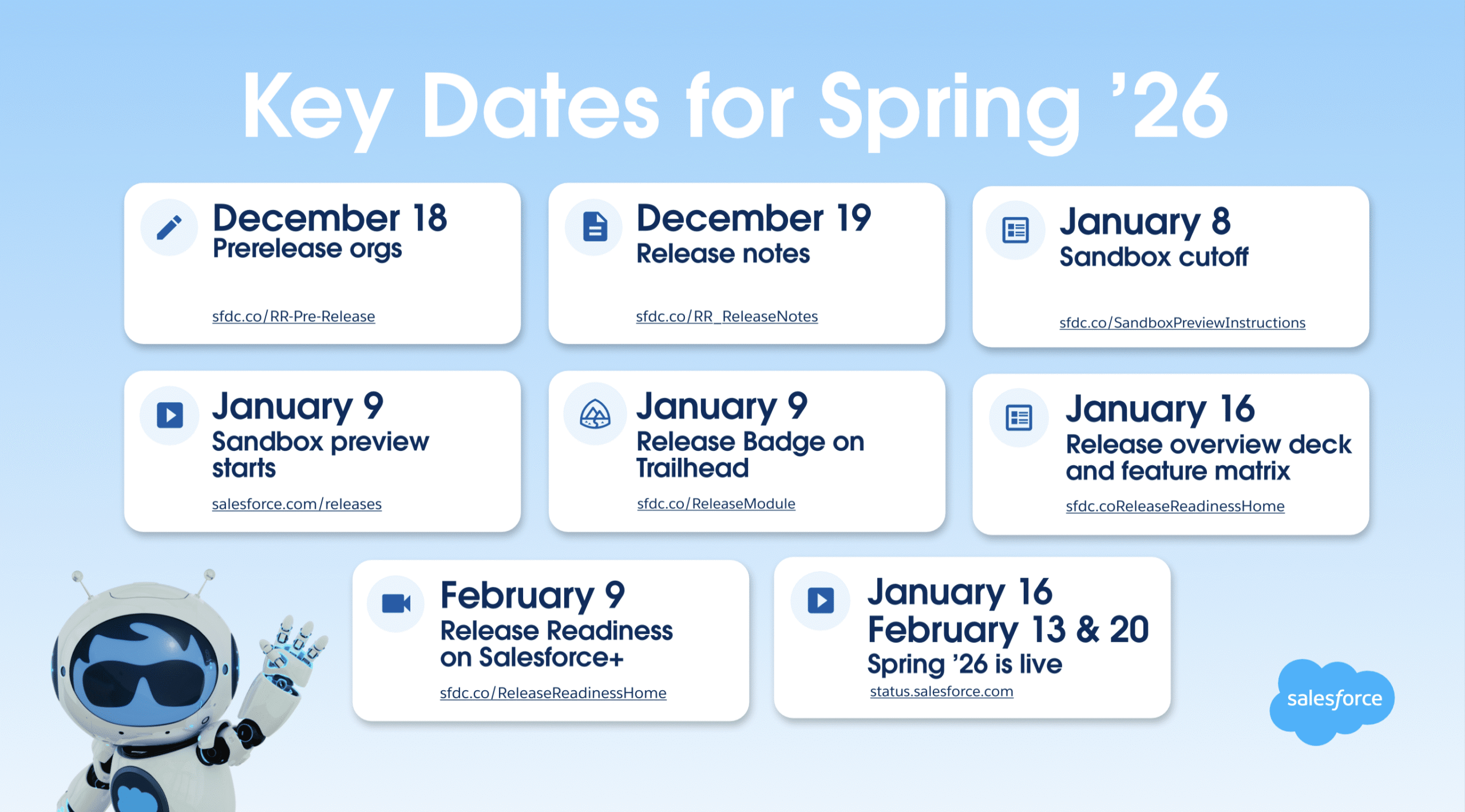
Sign up for a pre-release Developer Edition to explore Spring '26 features early.
Official Spring '26 Release Notes (826 pages) become available for review.
Last day to refresh sandboxes before preview (by 5 p.m. PT).
Sandbox preview instances are upgraded to Spring '26.
First wave of production orgs receive Spring '26.
Second wave of production orgs receive Spring '26.
Final wave of production orgs receive Spring '26.
Supercharge your workforce efficiency with predictive and generative AI. Spring '26 brings major enhancements to the Agentforce platform.
The new Canvas View provides a visual, text editor-inspired interface for building sophisticated agents. Design complex conversation flows, manage branching logic, and visualize agent behavior all in one place. Canvas View makes it easier to understand and modify agent workflows without switching between multiple screens.
Deploy your agents to Enhanced Chat v2 channels directly from Agentforce Builder. This integration enables seamless customer interactions through chat while maintaining full control over agent behavior and responses. Configure messaging connections without leaving the builder interface.
Build internal-facing agents to help employees with common tasks like HR inquiries, IT support, and policy questions. Employee agents can access internal knowledge bases and systems, providing instant answers and reducing the burden on support teams while improving employee productivity.
Enhanced validation in Agentforce Builder catches configuration issues before deployment. The improved validation checks for incomplete actions, missing connections, and potential runtime errors, helping you build reliable agents that perform correctly in production environments.
Accelerate custom Lightning type creation for Agentforce using the Model Context Protocol (MCP). This tool integrates with AI coding assistants like Claude to help developers generate type-safe Lightning components faster. Define your data structures and let AI assist with boilerplate code generation while maintaining proper typing.
Compose intelligent workflows with Flow Builder and Flow Orchestration. Integrate across any system with Flow Integration.
AI-powered flow generation is now generally available. Describe your business process in natural language and let Einstein generate a draft flow with the correct elements, logic, and data operations. The improved AI produces more accurate flows that require less manual refinement, accelerating your automation development.
Continue refining your flows through conversation with Agentforce. Ask for modifications, explain issues, or request new functionality and watch your flow evolve iteratively. This collaborative approach combines human intent with AI capabilities to build better automations faster.
Screen flows get major enhancements for data management, visualization, and user experience.
Users can now click column headers to sort data table records at runtime, making it easier to find and organize information. Flow builders can configure which columns are sortable and set default sort order, giving users familiar spreadsheet-like functionality within screen flows.
Enable inline editing in data tables to let users modify field values directly without opening separate edit forms. Users can click cells to edit, and changes are captured in the flow for saving. This streamlines data entry workflows and reduces the number of screens users navigate.
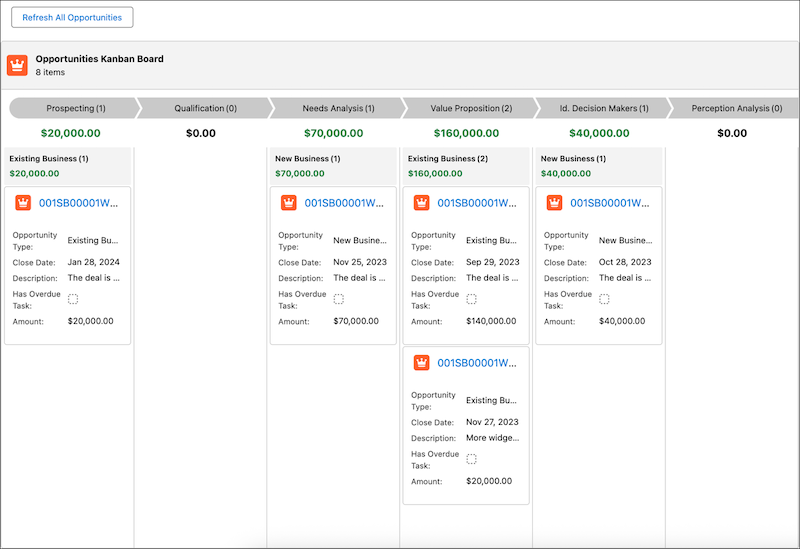
Add Kanban board components to screen flows for visual record management. Users can drag and drop cards between columns to update status fields, view records grouped by stages, and quickly understand work distribution. Ideal for managing opportunities, cases, tasks, or any records with status-based workflows.
Launch screen flows directly from a URL in Lightning Experience without embedding them in pages or using buttons. Pass parameters through URL query strings to pre-populate flow variables. This capability enables direct linking to flows from emails, external systems, or custom navigation, making flows more accessible across your organization.
# Basic Flow URL
/lightning/flow/My_Onboarding_Flow
# Run Specific Flow Version
/lightning/flow/My_Onboarding_Flow/301xx000000001ABC
# Pass Single Variable
/lightning/flow/Case_Handler?flow__CaseId={!Case.Id}
# Pass Multiple Variables
/lightning/flow/User_Setup?flow__FirstName={!$User.FirstName}&flow__LastName={!$User.LastName}
# Control Finish Behavior (redirect after completion)
/lightning/flow/My_Flow?retURL=/lightning/o/Account/list
# Full URL Example for Email Links
https://yourorg.lightning.force.com/lightning/flow/Support_Case_Flow?flow__CaseNumber={!Case.CaseNumber}
Whether you're using Lightning components, Visualforce, Apex, or Salesforce APIs with your favorite programming language, these enhancements help you develop amazing applications.
Write JavaScript expressions directly in LWC templates using a comprehensive subset of operators including arithmetic, comparison, logical, and ternary. Reduce component complexity by eliminating helper getters for simple transformations. Write cleaner, more readable templates while maintaining full reactivity.
<!-- Before: Required getter in JS -->
<template if:true={isHighPriority}>
<span class="priority-badge">{priorityLabel}</span>
</template>
<!-- After: Direct expressions in template (Beta) -->
<template lwc:if={priority > 5}>
<span class="priority-badge">{priority > 8 ? 'Critical' : 'High'}</span>
</template>
<!-- More expression examples -->
<p>Total: {quantity * price}</p>
<p class={isActive && hasPermission ? 'enabled' : 'disabled'}>Status</p>
<span>{firstName + ' ' + lastName}</span>
Convert existing JavaScript-based LWC components to TypeScript using the Model Context Protocol (MCP) tool. Integrates with AI coding assistants to analyze your components and generate type-safe TypeScript versions, helping teams modernize their codebase while maintaining functionality.
To get started with MCP tools, you have two options:
Add the following configuration to your MCP client's settings file. Replace DEFAULT_TARGET_ORG with your authorized org alias:
Add to .mcp.json (Claude Code), mcp.json (Cursor), or cline_mcp_settings.json (Cline):
{
"mcpServers": {
"Salesforce DX": {
"command": "npx",
"args": [
"-y", "@salesforce/mcp",
"--orgs", "DEFAULT_TARGET_ORG",
"--toolsets", "lwc-experts,aura-experts,metadata,data",
"--allow-non-ga-tools"
]
}
}
}
Add to .vscode/mcp.json in your project:
{
"servers": {
"Salesforce DX": {
"command": "npx",
"args": [
"-y", "@salesforce/mcp",
"--orgs", "DEFAULT_TARGET_ORG",
"--toolsets", "lwc-experts,aura-experts,metadata,data",
"--allow-non-ga-tools"
]
}
}
}
| Toolset | Purpose |
|---|---|
| lwc-experts | LWC development, testing, optimization, and TypeScript tools |
| aura-experts | Aura framework analysis and LWC migration support |
| metadata | Deploy/retrieve metadata between projects and orgs |
| data | Data management operations including SOQL queries |
| code-analysis | Static code analysis using Salesforce Code Analyzer |
| testing | Apex and agent test execution |
| all | Enables all 60+ tools across all toolsets |
Learn more in the official MCP Tools documentation and the Salesforce DX MCP GitHub repository.
Use new standard empty state illustrations that automatically adapt to light and dark themes. These consistent visuals improve user experience when displaying no-data scenarios like empty lists, search results, or initial states. Reduces custom illustration development while ensuring UI consistency.
Access full TypeScript type definitions for all Lightning base components, enabling better IDE support, compile-time error checking, and code completion. These type definitions help developers catch errors earlier and write more maintainable component code with proper typing.
Significantly reduce deployment times by running only tests that cover the specific components being deployed. The platform analyzes code dependencies to identify relevant tests, eliminating unnecessary test execution. This improvement is especially impactful for large orgs with extensive test suites.
Apex Cursors enable processing of SOQL query results that exceed standard governor limits. Iterate through millions of records efficiently using cursor-based pagination, maintaining state across transactions. Ideal for batch operations, data migrations, and reports requiring large dataset processing.
// Create a cursor for large dataset processing
Database.Cursor cursor = Database.getCursor(
'SELECT Id, Name, Email FROM Contact WHERE CreatedDate = THIS_YEAR'
);
// Process records in batches using the cursor
while (cursor.hasNext()) {
List<Contact> contacts = cursor.fetch(200); // Fetch 200 at a time
for (Contact c : contacts) {
// Process each contact
System.debug('Processing: ' + c.Name);
}
}
// Get cursor position for resumability
String cursorId = cursor.getCursorId();
Integer position = cursor.getPosition();
// Resume from saved position in another transaction
Database.Cursor resumedCursor = Database.getCursor(cursorId);
resumedCursor.setPosition(position);
Learn more in the Apex Cursors Developer Guide.
Transform your existing Apex methods into Agentforce actions with minimal code changes. REST endpoints and AuraEnabled methods can be exposed to agents, enabling AI to call your custom business logic. Leverage your existing Apex investment to power intelligent agent capabilities.
// Expose existing AuraEnabled method as Agent Action
public class OrderService {
@AuraEnabled(cacheable=false)
@InvocableMethod(label='Get Order Status'
description='Retrieves the current status of an order')
public static List<OrderStatus> getOrderStatus(List<String> orderIds) {
List<OrderStatus> results = new List<OrderStatus>();
for (Order__c order : [SELECT Id, Status__c, ShipDate__c
FROM Order__c
WHERE Id IN :orderIds]) {
results.add(new OrderStatus(order));
}
return results;
}
public class OrderStatus {
@InvocableVariable public String status;
@InvocableVariable public Date estimatedDelivery;
public OrderStatus(Order__c order) {
this.status = order.Status__c;
this.estimatedDelivery = order.ShipDate__c;
}
}
}
Retrieve picklist values that are available for a specific record type programmatically. This capability enables dynamic UIs that show only valid picklist options, respecting record type configurations. Essential for building custom forms and validation logic that honor your data model.
// Get picklist values for a specific Record Type
public class PicklistHelper {
@AuraEnabled(cacheable=true)
public static List<PicklistOption> getPicklistValues(
String objectName,
String fieldName,
String recordTypeId
) {
List<PicklistOption> options = new List<PicklistOption>();
// Get the describe result for the object
Schema.DescribeSObjectResult objDescribe =
Schema.getGlobalDescribe().get(objectName).getDescribe();
// Get Record Type info
Schema.RecordTypeInfo rtInfo =
objDescribe.getRecordTypeInfosById().get(recordTypeId);
// Get picklist values for this Record Type
Schema.DescribeFieldResult fieldDescribe =
objDescribe.fields.getMap().get(fieldName).getDescribe();
for (Schema.PicklistEntry entry :
fieldDescribe.getPicklistValues(rtInfo)) {
if (entry.isActive()) {
options.add(new PicklistOption(entry.getLabel(), entry.getValue()));
}
}
return options;
}
public class PicklistOption {
@AuraEnabled public String label;
@AuraEnabled public String value;
public PicklistOption(String label, String value) {
this.label = label;
this.value = value;
}
}
}
The Blob.toPdf() method now uses the Visualforce PDF rendering service for consistent PDF generation across the platform. This release update improves reliability and ensures PDF output matches Visualforce page rendering behavior.
// Generate PDF from HTML content using Blob.toPdf()
public class PdfGenerator {
public static void generateInvoicePdf(Id accountId) {
Account acc = [SELECT Id, Name, BillingStreet, BillingCity
FROM Account WHERE Id = :accountId];
// Build HTML content for PDF
String htmlContent = '<html><head>' +
'<style>body { font-family: Arial, sans-serif; } ' +
'.header { background: #032D60; color: white; padding: 20px; } ' +
'.content { padding: 20px; }</style></head>' +
'<body><div class="header"><h1>Invoice</h1></div>' +
'<div class="content"><h2>' + acc.Name + '</h2>' +
'<p>' + acc.BillingStreet + ', ' + acc.BillingCity + '</p>' +
'</div></body></html>';
// Convert HTML to PDF using Visualforce rendering service
Blob pdfBlob = Blob.toPdf(htmlContent);
// Save as ContentVersion (File)
ContentVersion cv = new ContentVersion();
cv.Title = 'Invoice_' + acc.Name + '.pdf';
cv.PathOnClient = cv.Title;
cv.VersionData = pdfBlob;
cv.FirstPublishLocationId = accountId;
insert cv;
}
}
Create named queries that expose custom SOQL through REST API endpoints without writing Apex. Define queries with parameters in Setup, then call them via REST with automatic security enforcement. Enables secure, governed data access for external integrations and mobile apps without custom code.
// Define Named Query in Setup (no code required!)
// Query Name: GetActiveOpportunities
// SOQL: SELECT Id, Name, Amount, CloseDate
// FROM Opportunity
// WHERE StageName != 'Closed Lost'
// AND OwnerId = :userId
// Call via REST API
fetch('/services/data/v66.0/query/GetActiveOpportunities', {
method: 'GET',
headers: {
'Authorization': 'Bearer ' + accessToken,
'Content-Type': 'application/json'
},
// Pass parameters as URL params
params: {
userId: '005xx000001234ABC'
}
})
.then(response => response.json())
.then(data => {
console.log('Opportunities:', data.records);
// Returns: [{ Id, Name, Amount, CloseDate }, ...]
});
| Change | Impact |
|---|---|
| Update Instanced URLs in API Traffic (Release Update) | Instanced URLs (like na1.salesforce.com) are being deprecated. Update all API integrations to use your My Domain URL to ensure continued connectivity. Review your codebase and third-party integrations for hardcoded instance URLs. |
| Sending Session IDs in Outbound Messages Is Being Removed | Session IDs can no longer be sent in outbound messages. Update your external systems to authenticate using OAuth 2.0 or other supported authentication methods instead of relying on session IDs. |
| Metadata Deployments and Retrievals Have New Limits | New limits apply to metadata deployments and retrievals. Review your deployment processes and package sizes to ensure they remain within the new limits. Consider breaking large deployments into smaller chunks if needed. |
| Data 360 SOQL Query Results Are Limited to 12-MB | Data 360 SOQL queries now have a 12-MB result size limit. Optimize queries that return large result sets by adding filters, limiting fields, or using pagination to stay within the limit. |
| SOAP API login() Call Versions 31.0-64.0 Being Retired in Summer '27 | In Summer '27, the SOAP API login() call in versions 31.0 through 64.0 will no longer be supported and will be unavailable. Before Summer '27, customers and partners must modify or upgrade their applications to use external client apps for authentication. Update all integrations to API version 65.0 or later to maintain connectivity. |
| EventBusSubscriber Position and Tip Fields Deprecated | The Position and Tip fields on EventBusSubscriber are deprecated. Update any code or reports that reference these fields to use the recommended replacement fields before they are removed. |
Redirections end for legacy host names, including instanced host names in API calls. Connected app creation is disabled by default for all Salesforce orgs.
Salesforce Backup & Recover is now available as a native Lightning app for comprehensive data protection. Schedule automated backups, monitor backup status, and restore individual records or entire datasets when needed. The native integration ensures seamless recovery without third-party tools, protecting against accidental deletions and data corruption.
Creating new Connected Apps is disabled by default in all Salesforce orgs to improve security. Existing Connected Apps continue to function normally. For new integrations, use External Client Apps which offer enhanced security features, better OAuth support, and streamlined management. Plan your migration strategy now.
<!-- externalClientApps/MyIntegration.eca-meta.xml -->
<?xml version="1.0" encoding="UTF-8"?>
<ExternalClientApp xmlns="http://soap.sforce.com/2006/04/metadata">
<label>My Integration App</label>
<contactEmail>admin@company.com</contactEmail>
<description>Integration for external system</description>
<!-- OAuth Configuration -->
<oauthConfig>
<callbackUrl>https://myapp.com/oauth/callback</callbackUrl>
<scopes>api</scopes>
<scopes>refresh_token</scopes>
<isSecretRequired>true</isSecretRequired>
<certificate>MyCertificate</certificate>
</oauthConfig>
<!-- IP Restrictions -->
<ipRanges>
<start>192.168.1.0</start>
<end>192.168.1.255</end>
</ipRanges>
</ExternalClientApp>
Enable passwordless authentication using FIDO2-compliant passkeys stored on users' devices or password managers. Passkeys eliminate password-related security risks like phishing and credential stuffing while providing a seamless login experience. Users authenticate using biometrics or device PINs.
Configure Canvas apps as plugins within the External Client App framework. This capability enables embedding third-party applications in Salesforce while using the modern External Client App security model. Migrate existing Canvas Connected Apps to take advantage of improved security and management features.
Sandbox preview begins January 9, 2026. Production rollouts occur on January 16, February 13, and February 20, 2026, depending on your instance. Pre-release Developer Edition environments are available from December 18, 2025.
Key features include Canvas View for building complex agents (Beta), Enhanced Chat v2 connectivity (Beta), Employee Agents in new Agentforce Builder (Beta), validation enhancements, knowledge source connections, and the Lightning Types MCP Tool for Einstein Development.
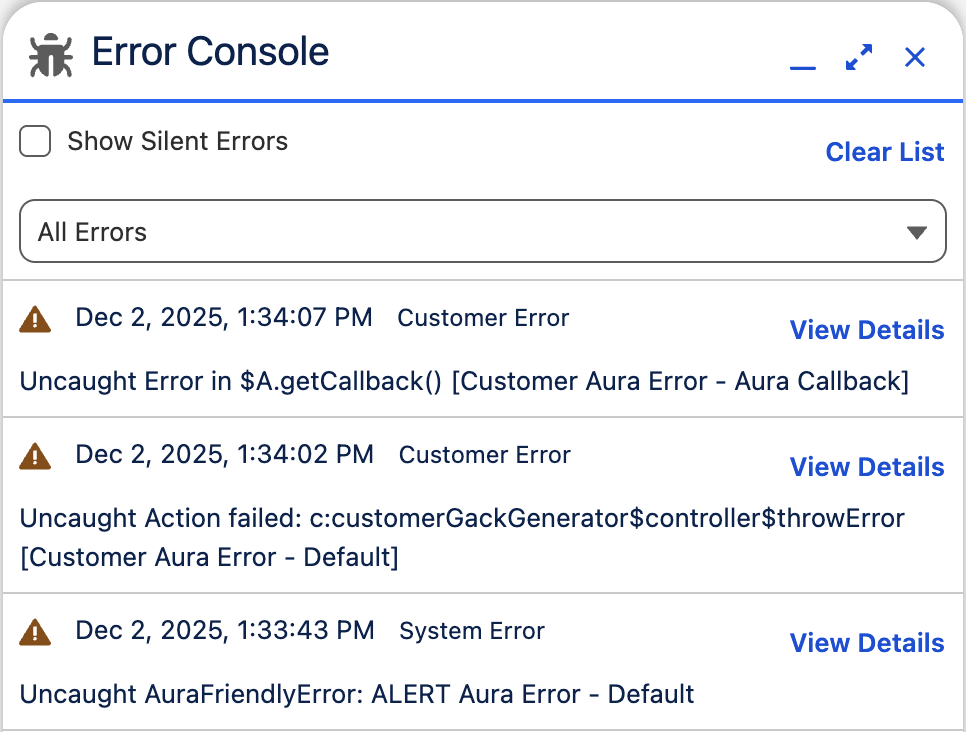
LWC API Version 66.0 introduces Complex Template Expressions (Beta) for using JavaScript expressions in templates, TypeScript Converter MCP Tool (Beta), Error Console for page errors, Lightning Out 2.0 improvements, and complete type definitions for base components. Note: Lightning Component Library is retiring.
Key improvements include AI-powered draft flows (GA), Evolve Flows Iteratively with Agentforce, collapsible branching elements, Kanban Boards in Screen Flows (Beta), component-level styling overrides, inline editing in data tables, and enhanced scrolling navigation.
No, creation of new Connected Apps is disabled by default in Spring '26. Salesforce recommends migrating to External Client Apps for new integrations. Existing Connected Apps continue to work, but you should plan migration to the new framework.
Apex Cursors allow you to process SOQL query results that exceed governor limits. Use Database.getCursor() with your SOQL query, then iterate using cursor.hasNext() and cursor.fetch(batchSize). You can save cursor position with getCursorId() and getPosition() to resume in another transaction. This is ideal for batch operations and data migrations processing millions of records.
Use the URL format /lightning/flow/Your_Flow_Name to open a flow directly. Pass variables using query parameters like ?flow__VariableName={!Record.Field}. For multiple variables, chain with &. Control finish behavior with ?retURL=/lightning/o/Object/list. This enables direct linking from emails, external systems, or custom navigation.
Add a JSON configuration to your .mcp.json (Claude Code) or mcp.json (Cursor) file. Set "command": "npx" with args ["-y", "@salesforce/mcp", "--orgs", "YOUR_ORG_ALIAS", "--toolsets", "lwc-experts,aura-experts,metadata,data"]. For VS Code, use .vscode/mcp.json with a "servers" object. Available toolsets include lwc-experts, aura-experts, metadata, data, code-analysis, and testing.
Build an HTML string with your content and styling, then call Blob.toPdf(htmlContent) to convert it to a PDF blob. Save as a ContentVersion by setting VersionData = pdfBlob, Title, PathOnClient, and optionally FirstPublishLocationId to link it to a record. The method now uses the Visualforce PDF rendering service for consistent output.
Use Schema methods: get the object describe with Schema.getGlobalDescribe().get(objectName).getDescribe(), then get RecordTypeInfo with getRecordTypeInfosById().get(recordTypeId). Get field describe and call getPicklistValues(rtInfo) to retrieve only the values available for that record type. Filter with isActive() to get active values only.
Use the Named Query API: define your SOQL query with parameters in Setup, then call it via REST at /services/data/v66.0/query/YourQueryName. Pass parameters as URL query strings. The API automatically enforces security and supports parameterized queries. This enables secure data access for integrations without custom Apex code.
In LWC templates, you can now write expressions like {quantity * price}, {priority > 5 ? 'High' : 'Normal'}, and {firstName + ' ' + lastName} directly without JavaScript getters. Use arithmetic, comparison, logical, and ternary operators. This Beta feature reduces component complexity by eliminating helper functions for simple transformations.
Create a metadata file externalClientApps/YourApp.eca-meta.xml with the ExternalClientApp structure. Include label, contactEmail, description, and oauthConfig with callbackUrl, scopes (api, refresh_token), isSecretRequired, and certificate. Optionally add ipRanges for IP restrictions. External Client Apps replace Connected Apps with enhanced security features.
Add the @InvocableMethod annotation with label and description to your Apex method. Use @InvocableVariable on inner class properties for input/output parameters. The method can also have @AuraEnabled for dual use. Agents can then call your custom business logic through these exposed actions with automatic parameter handling.
This guide was compiled from the official 826-page Salesforce Spring '26 Release Notes PDF. For complete details, visit:
Continue your Salesforce learning journey with these related guides: